A Beautiful Build: Construction Advocacy Website | Grand Junction | Peakxel Studio
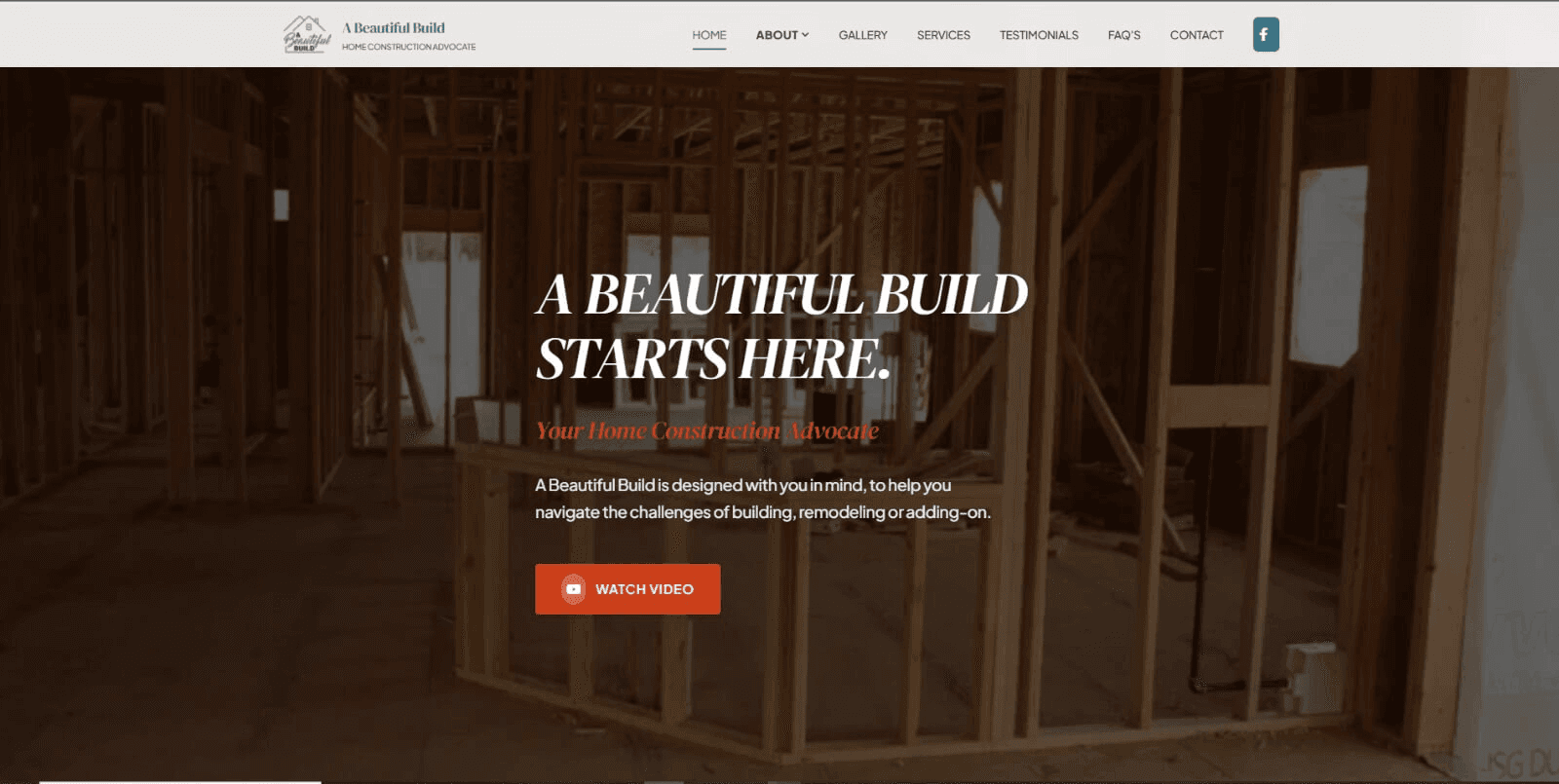
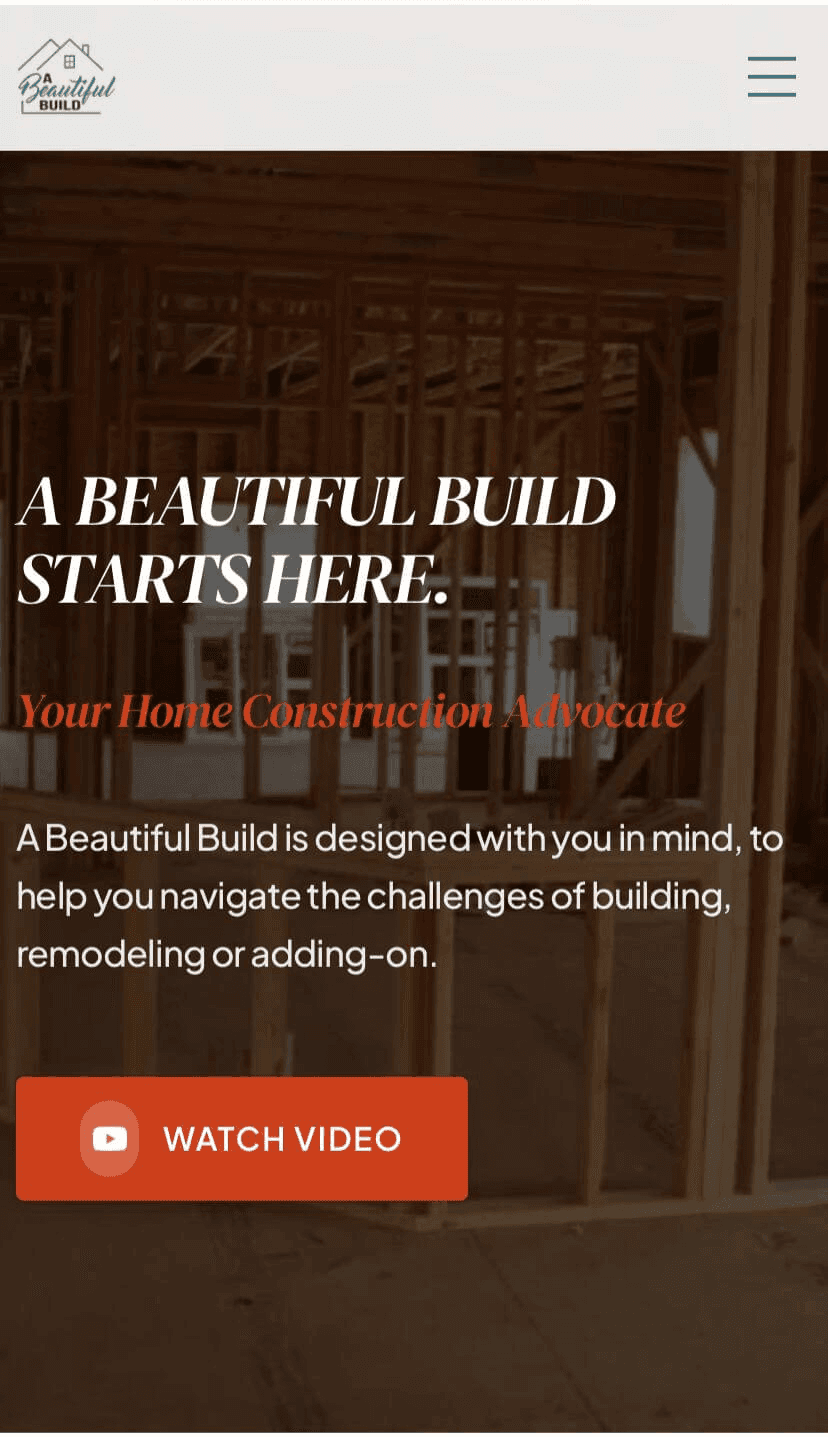
Lynette Williams is a home construction advocate based in Grand Junction, Colorado. She was busy running her advocacy work but knew her website wasn't doing it justice. We rebuilt it from the ground up — and she loved the result. After launch, she needed a few changes and we handled everything for free as part of our post-launch support. If you need a construction advocate in Colorado, Lynette is the real deal.
Engineering Approach
We rebuilt the experience as a custom Next.js application with a lighter architecture, responsive media delivery, streamlined code, and a clearer conversion path for homeowners seeking guidance. The new site was engineered to feel premium while keeping the experience fast and easy to navigate.
Verified Deliverables
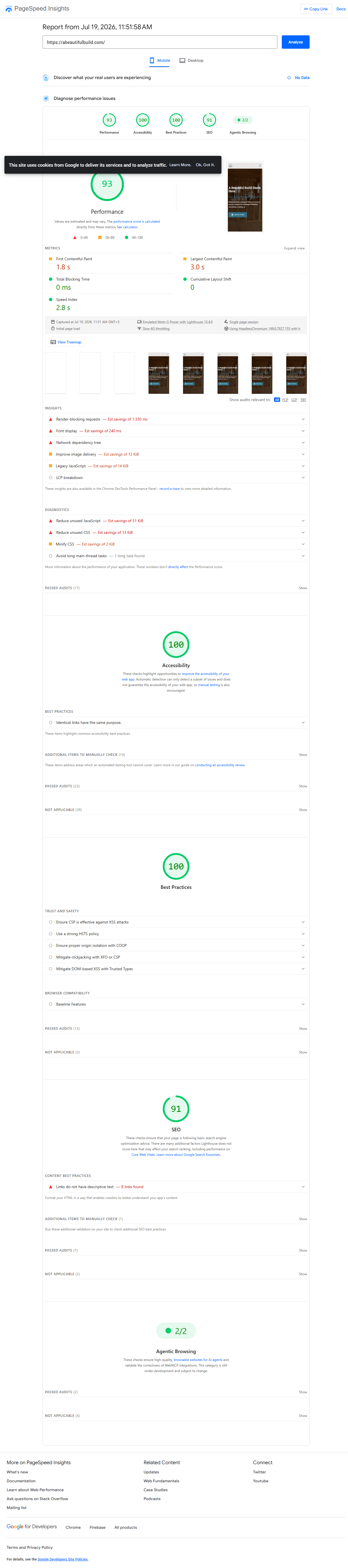
- Improved mobile Lighthouse Performance from 15 to 93.
- Reduced Largest Contentful Paint from 13.5s to 3.0s.
- Eliminated Total Blocking Time entirely, from 790ms to 0ms.
- Reduced Cumulative Layout Shift from 0.925 to 0.000.
Business Outcome
A faster, more conversion-ready website that helps homeowners feel confident moving from discovery to inquiry with a modern, premium digital experience.
Client & Context
- Client
- A Beautiful Build (Home Construction Advocacy)
- Industry
- Real Estate & Home Improvement
- Key Stakeholder
- Lynette WilliamsProfile ↗
- Location
- Grand Junction, Colorado, United States
Services Provided
Before vs. After Optimization
PageSpeed Insights (mobile) reported a Lighthouse Performance score increase from 15 to 93, with LCP improving from 13.5s to 3.0s, TBT eliminated from 790ms to 0ms, and CLS reduced from 0.925 to 0.000. Lynette requested post-launch changes which we completed at no extra charge as part of our free 30-day support.

Measured Core Web Vitals Breakdown
| Metric Name | Baseline | Optimized Value | Audit Result |
|---|---|---|---|
| Mobile Lighthouse Performance | 15 | 93 | +78 points |
| First Contentful Paint | 4.0s | 1.8s | ~55% faster |
| Largest Contentful Paint | 13.5s | 3.0s | ~78% faster |
| Total Blocking Time | 790ms | 0ms | 100% eliminated |
| Speed Index | 9.3s | 2.8s | ~70% faster |
| Cumulative Layout Shift | 0.925 | 0.000 | 100% improvement |
Business & Technical Hurdles
The platform needed a secure, highly visual layout to connect homeowners with builders. The previous site was built on older web technology, was visually dated, and suffered from slow mobile loading times and weak conversion performance.
Technical Audit Findings
- Mobile performance review
- Core Web Vitals diagnosis
- Layout shift audit
- Accessibility and content hierarchy review
Strategic Roadmap
- 1Replace legacy front-end structure with a lighter Next.js architecture
- 2Prioritize above-the-fold clarity and conversion-focused messaging
- 3Reduce JavaScript, optimize media, and tighten the content experience
Technical Implementation
- Next.js App Router build
- Responsive component system
- Optimized image delivery
- Streamlined layouts and CTA hierarchy
Performance Optimization
- Image optimization
- Font and asset reduction
- Lower JavaScript payload
- Faster mobile rendering
SEO & Crawlability Structure
- Metadata and canonical structure
- Improved internal linking and semantic structure
- Schema and social preview readiness
- Cleaner crawlability and better content hierarchy
Why Next.js Was Chosen
- Server Components and streaming for a faster experience
- Automatic code splitting and smaller bundles
- Built-in image optimization and metadata support
- SEO-friendly rendering and strong Core Web Vitals
Why Previous Platforms Fell Short
- Large unoptimized media
- Render-blocking assets and heavier front-end structure
- Poor mobile pacing and layout stability
- A weaker information hierarchy and conversion path
Long-Term Business Impact
- Faster first impression on mobile
- Higher trust through a modern presentation
- Stronger lead-generation foundation
- Better discoverability for a high-intent audience
Key Insights & Lessons Learned
- Performance improvements often matter more than visual polish alone
- A premium design should be paired with a lean technical stack
- Clear conversion paths make a major difference in lead quality
Frequently Asked Questions
Clear answers regarding the architectural decisions, timeline, and measurable outcomes of this project.
Related Case Studies
The Beauty of Islam
The client wanted a clean, modern, dark-themed portal to convey high-fidelity Quranic and religious media assets. Existing options loaded slowly, suffered from layout shifts (CLS), and lacked modern accessibility standards (WCAG 2.1 AA) required for universal readability.
Vox
The founders needed to prove their Voice AI concept with an interactive MVP. The application had to process spoken startup ideas, transcribe them instantly, query LLMs to generate detailed markdown roadmaps, and support exports to Notion with minimal latency.
HireSynk (Cortex AI)
The platform needed a clean enterprise-grade dashboard that handles complex job postings, real-time candidate sourcing data, automated scheduler flows, and candidate matches without page reload lags.
Explore Related Services & Guides
Custom Website Development
Bespoke front-end engineering designed for performance and business ROI.
Next.js Development Services
Fast, modern web architectures built on the Next.js App Router.
Technical SEO Services
Enterprise indexing, Core Web Vitals optimization, and structured schema.
High-ROI Website Design Guide
Engineering principles that turn visitors into measurable paying customers.
Build Your Next High-ROI Platform
Whether you need to overhaul an existing site for 100/100 PageSpeed scores or engineer a custom digital platform from scratch, we deliver measurable results.